

Surviving the Holidays Through Chronic Pain

Christmas is just around the corner and that means all kinds of ways to burden ourselves unnecessarily and chronic pain can make a Scrooge out of many of us even without all the holiday crazy.  While this article probably should have been posted in October, here’s hoping you can glean some wisdom and encouragement from the following tips – to guide (and survive) you through the rest of this season as well as those to come.

  1. Get a Head Start – By starting earlier to plan for the holidays we will be less disappointed in all the things we might not have been able to enjoy because of chronic pain.  Many things can be jump started early such as shopping for gifts, planning meals and holiday activities, addressing Christmas cards and even doing a little decorating.
  2. Lower Your Standards – It’s easy to go a little overboard with Christmas decorations, cooking and gifting. Try downsizing the decorations a little by implementing simpler touches that still add to the festiveness of the occasion. Some ideas might include placing poinsettias on the hearth or table centerpiece, limiting the outdoor decor, or just placing battery-operated candles in the windows.  For meals, why not delegate and provide a potluck environment where everyone contributes? Hosting can be enjoyable but also overwhelming when dealing with chronic pain. It’s ok to ask others to chip in with a meal or even cut a few corners by picking up some pre-made food items to ease the load.  In fact, many grocery stores now offer complete meals for many holidays. Simplify the gifting process by ordering items online and having them pre-wrapped if possible. Or use gift bags to keep things simple.  Gift cards are another simple solution to gifting.
  3. Be Realistic – It’s a good idea to acknowledge our limitations and make plans accordingly. It is still possible to have a life if we recognize and diligently plan out each day and activity, being careful to avoid over-scheduling and overcommitting ourselves.  It’s also okay to say “no” when the demands of family and friends overwhelm.
  4. Be Kind to Yourself – Listen to your body and mind to know when is enough.  Enjoy the fresh air or take a walk to get away and mentally regroup. Get plenty of rest, keep an eye on your diet and practice self-compassion – especially in those moments when you are tempted to feel guilty for not attending an event, socializing longer, fixing your usual holiday spread, etc. Practice breathing exercises and mindfulness techniques.
  5. Find JOY – Celebrate the joy in the holiday whether it’s a peaceful evening, a snow-covered yard, the morning cup of coffee, or just the memories of family and friends from holidays past.  We may not be able to replicate the nostalgic times we remember, but as we make new traditions take the time to find joy in the moment.

Finding Therapy Through Practicing Gratitude

It’s that time of year again!  Thanksgiving. Gratitude is a predominant theme of the season. Yet for many, this time of year is particularly difficult as individuals and loved ones deal with chronic pain or depression. Sometimes it can be especially difficult to find things to be truly thankful for. Maybe your medical condition resists treatment, or perhaps work and home life have become stressful and difficult.

Whatever the struggle –  try not to let it block out the good things – the relationships, activities and experiences  – however small, which make us grateful – and maybe forget the pain if even for a moment.

Since it can sometimes be a challenge to find things to be thankful for, here is a list of ideas.  Maybe claim a few or make a list of your own.  Practicing gratitude can prove very therapeutic.

  1. Sunshine
  2. Freedom
  3. Shoes
  4. Laughter and the abundance of sitcoms
  5. Sleep (however rare)
  6. A cup of coffee (or hot tea).
  7. A favorite book.
  8. Family
  9. Authentic Friendships
  10. Football, and other sports
  11. The Internet and Technology
  12. A hot shower
  13. A warm blanket
  14. Pajamas
  15. The stars
  16. Doctors
  17. Medications
  18. Education
  19. Prayer
  20. Hugs
  21. Puppies
  22. Going for a walk
  23. Sunrise
  24. Sunsets
  25. Indoor plumbing
  26. Favorite chair
  27. Laundry detergent
  28. Grilled Cheese Sandwiches
  29. Adventures
  30. Lists
  31. Wireless Internet
  32. Pumpkin Spice
  33. Electricity
  34. Perspective
  35. Photographs
  36. The weekend
  37. Transportation
  38. Nurses
  39. Crockpots
  40. Dishwashers
  41. Therapy
  42. Fresh fruit
  43. Tough Times
  44. Grace
  45. Generosity
  46. Music
  47. Autumn (Winter, Spring & Summer)
  48. Rest
  49. Water
  50. Shelter
  51. Loving relationships
  52. Shoulder to cry on
  53. Memories
  54. Imagination
  55. Experience
  56. Super Heroes
  57. Pie
  58. Birthdays
  59. Daylight Saving Time’s extra hour
  60. Therapy obtained in practicing Gratitude

Science has proven that a thankful and positive attitude will decrease depression and increase happiness. Seek to own a grateful heart this season no matter your circumstance.

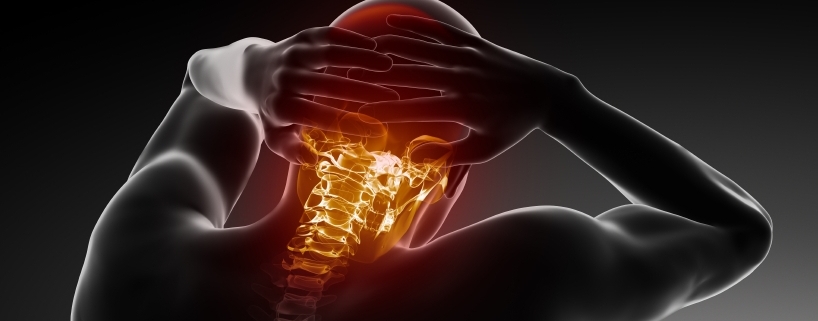
What is Chronic Pain?

According to the American Academy of Pain Medicine, chronic pain affects 100 million Americans, and is the leading cause of long-term disability in the US. Worldwide, more than 1.5 billion people suffer with chronic pain.

When individuals experience pain whether from injury, surgery, infection or other reasons, the pain is often temporary and will subside with time and as the injury or source of pain heals.  This type of pain has a shorter duration and is considered acute pain.However, many patients suffer from chronic pain which is pain that typically lasts for more than 6 months and often lasts for years.  Chronic pain differs from acute pain in that it occurs independently of, and in addition to – the pain of the original health condition. Chronic pain is not simply a long-lasting version of acute pain. This pain may ache, burn, feel sharp or dull, and can occur in nearly any part of the body, limiting mobility and reducing flexibility, endurance and strength. The pain may also come and go for no apparent reason.

Some common types of chronic pain include:

  • headache
  • post-surgical pain
  • post-trauma pain
  • lower back pain
  • cancer pain
  • arthritis pain
  • neurogenic pain (nerve damage)
  • psychogenic pain (pain that isn’t caused by disease, injury, or nerve damage)

So where does this independent, additional chronic pain come from?

Pain is a function of the nervous system. As our bodies become injured or infected the nerves send a signal to the brain which in turn registers those signals as pain.  While these signals are being sent to the brain, the entire nervous system sets off alarms in our body which tense our muscles, and make us emotional and guarded. This type of nervous system response is necessary when dealing with acute pain so we know to seek help.

With chronic pain, the body will persistently send pain signals to the brain, even after an injury has healed. This continual reactive nervous system cycle creates a state of central sensitization.  According to the Journal of the American Medical Association this central sensitization creates widespread, intense pain and may often lead to emotional and psychological problems such as anxiety and depression.

In some healthcare industries chronic pain is often considered a symptom of some underlying condition stemming from an unhealed injury or illness and is treated as such. Attempts to reduce pain with surgeries, injections, medical procedures and pain medications may prove temporarily effective but the pain ultimately returns.

Studies have shown that Ketamine infusions provide long-term relief of chronic pain by both altering the activity of neurons in the brain; and resetting the central nervous system’s sensitization to pain. Ketamine inhibits or blocks the neuronal uptake of various neurotransmitters, including dopamine, serotonin and glutamate.

Additionally, Ketamine infusions stimulate activity in the brain’s limbic system, a region involved in integrating various brain activities, including those associated with memory, sensory experience, motivation and emotion. For more information on Ketamine infusion therapy for your or a loved one’s chronic pain, contact Dr. Newman and Virginia Ketamine Therapy at 757-258-2561.